Prints and Markings on the Snow Surface
(numbers refer to page references for Ryd and Rassa's book)
Terms for prints and markings on the snow surface:
åppås (138) freshly fallen snow with no animal tracks crossing it
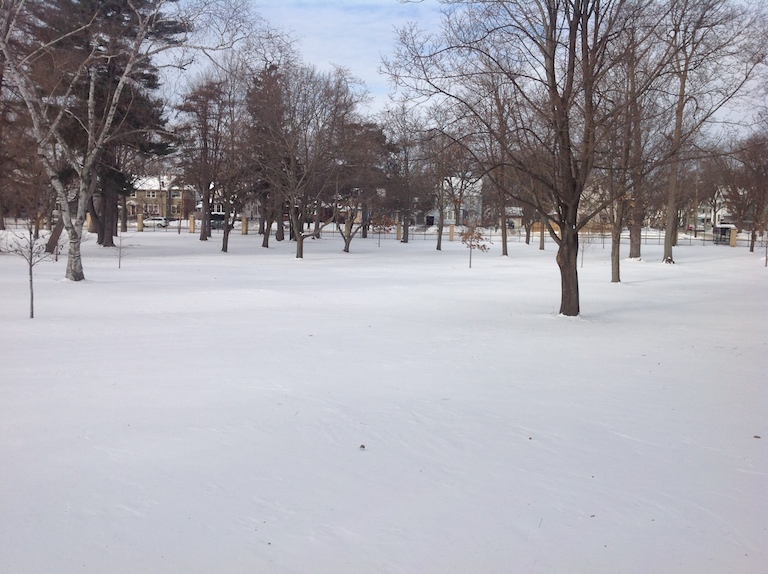
Image by Tom
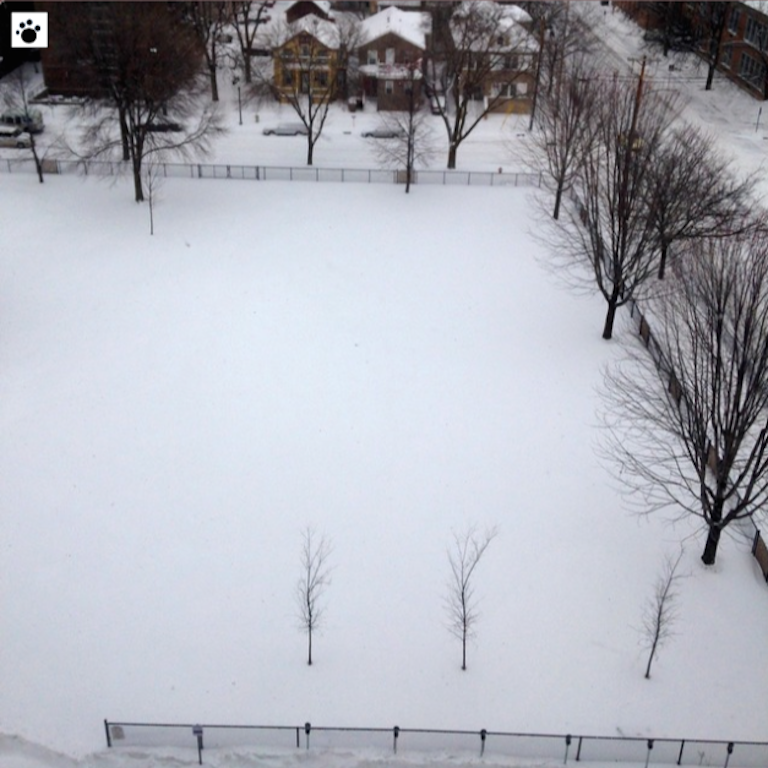
Image by BuckysPals
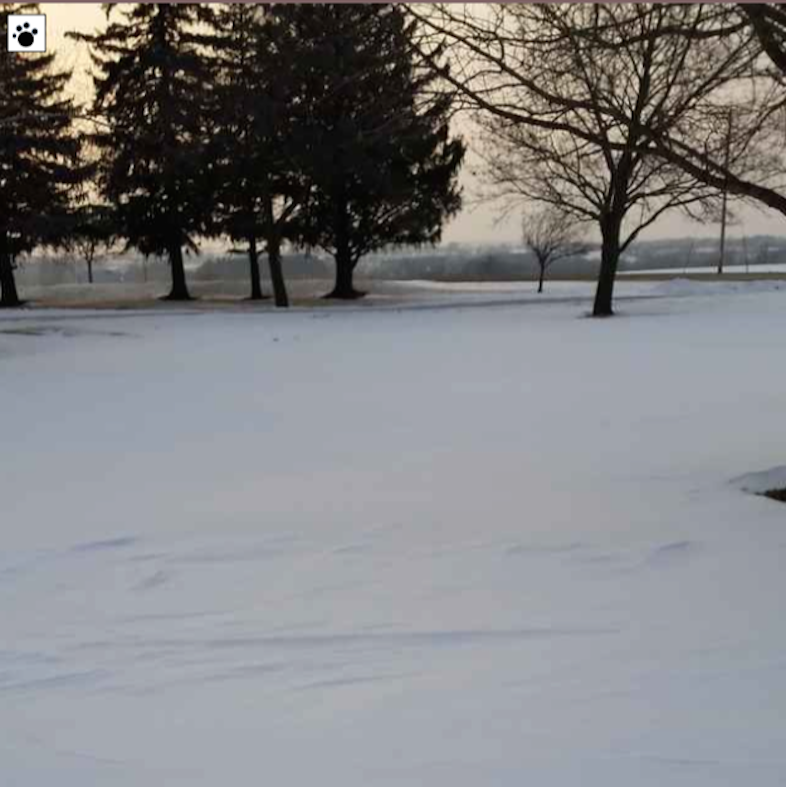
Image by FoodScience Girl
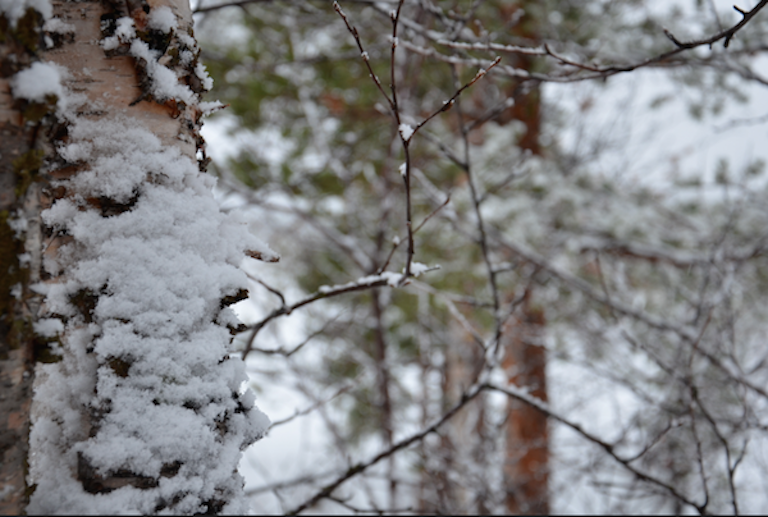
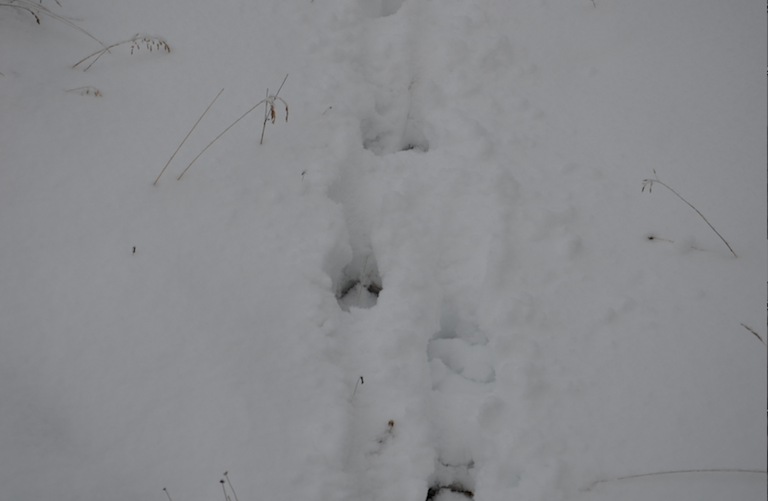
vahtse (137) fresh, light snow that covers over previously fallen snow and then displays well fresh animal tracks
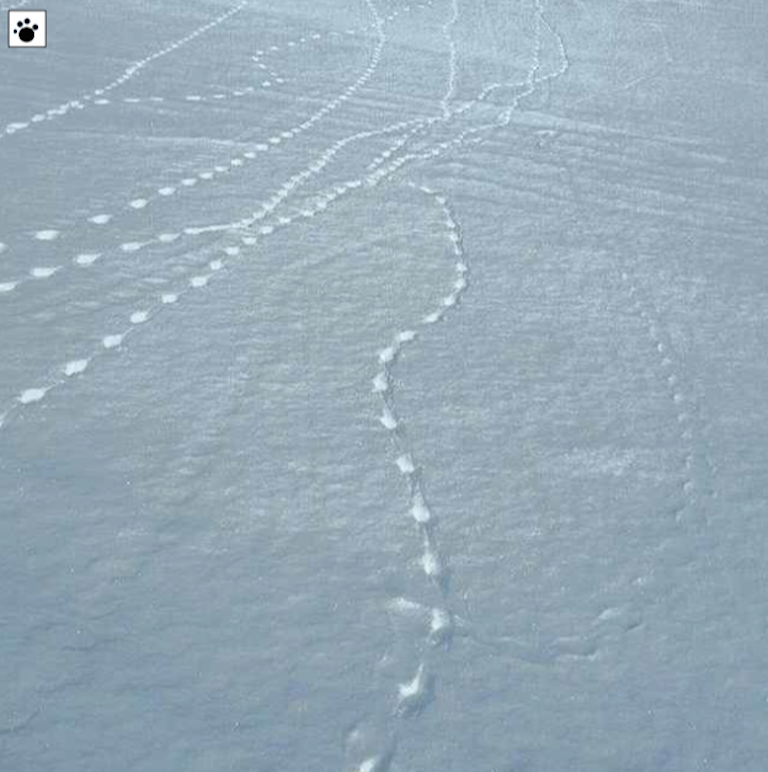
Image by Team SnowIdea
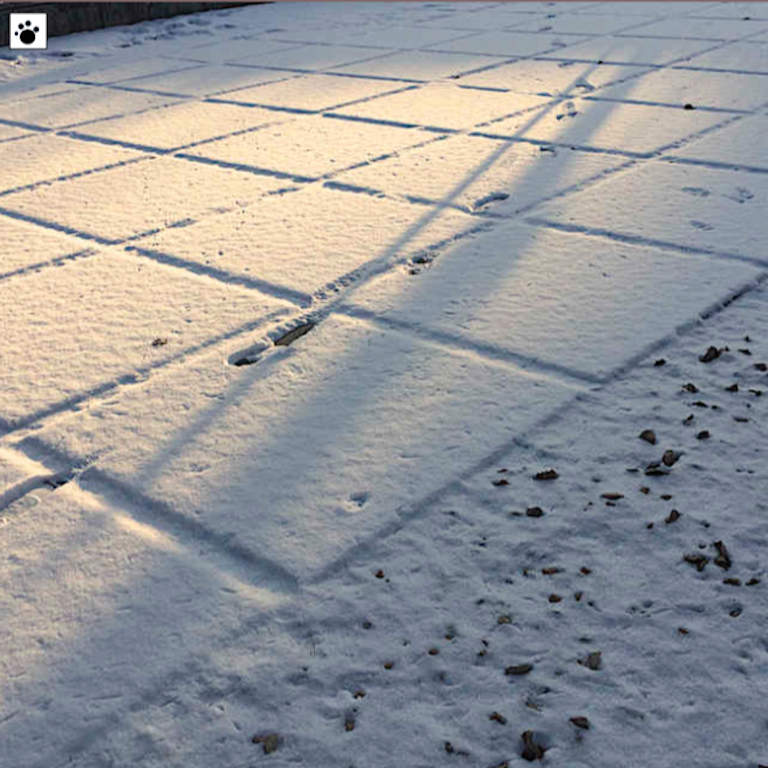
Image by Snow Bunnies
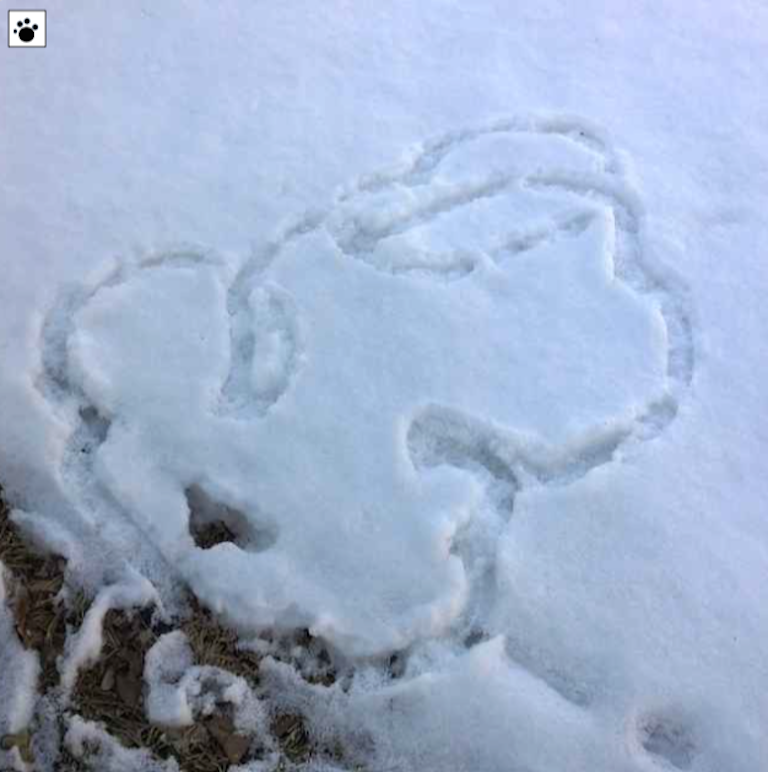
Image by Snow Bunnies
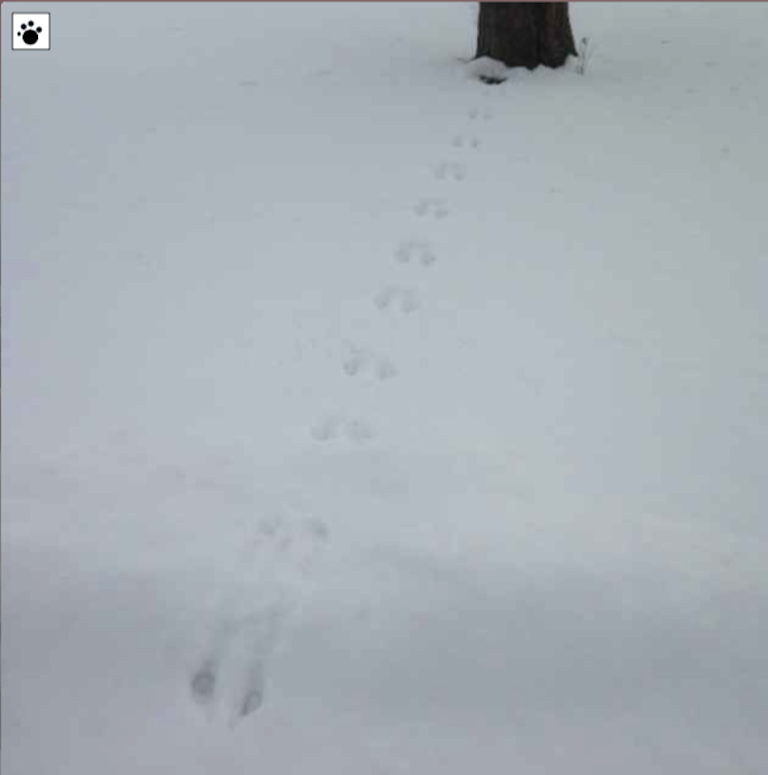
Image by John Cheadle's Understudy

Image by Snow Bunny
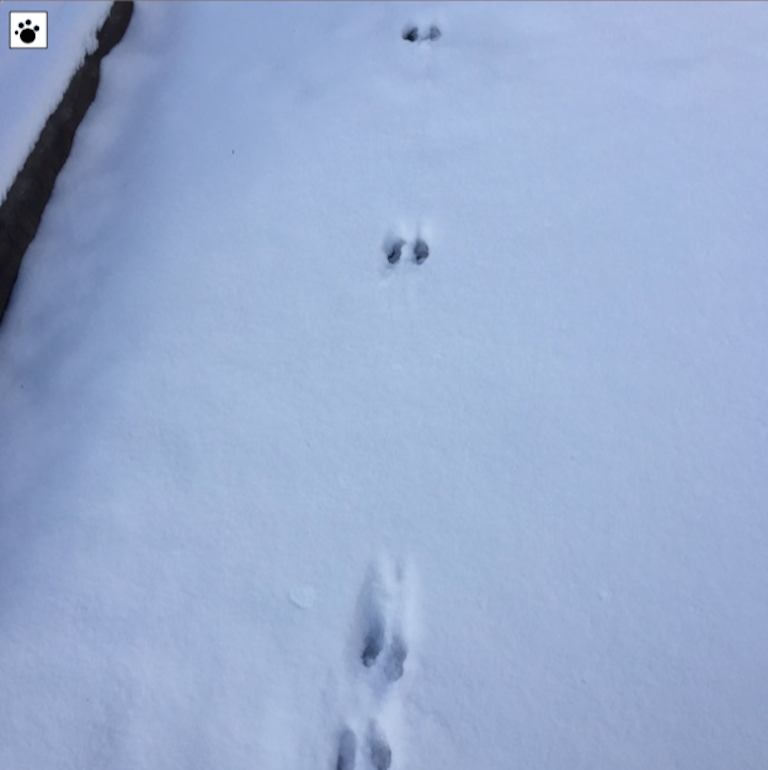
Image by Team Jötnar
tjiegar (207) abundantly pawed up snow, especially where reindeer have been digging to reach food beneath the surface
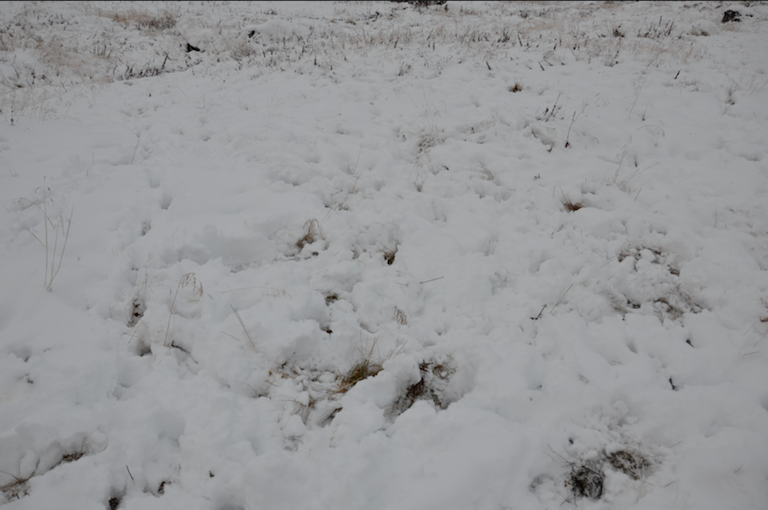
(the above image from near Pielpajärvi, Finland.) Tom
suovdnji (North Sámi term, see Jernsletten 106) grazing hole, area pawed up by reindeer or deer in order to feed.
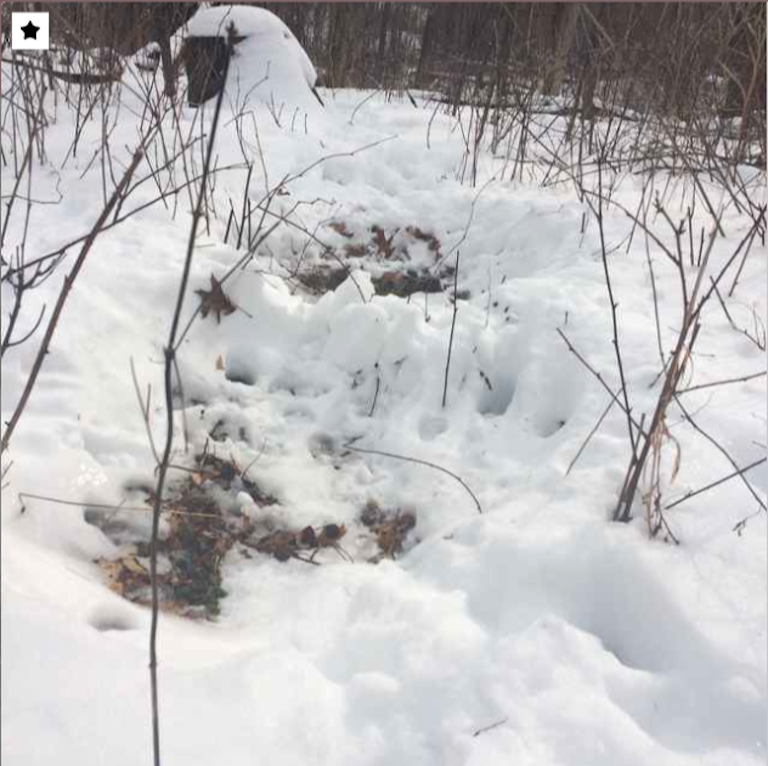
Image by Snowday
tjuojvoj (137) hardened, extensively trodden snow showing tracks leading in all different directions
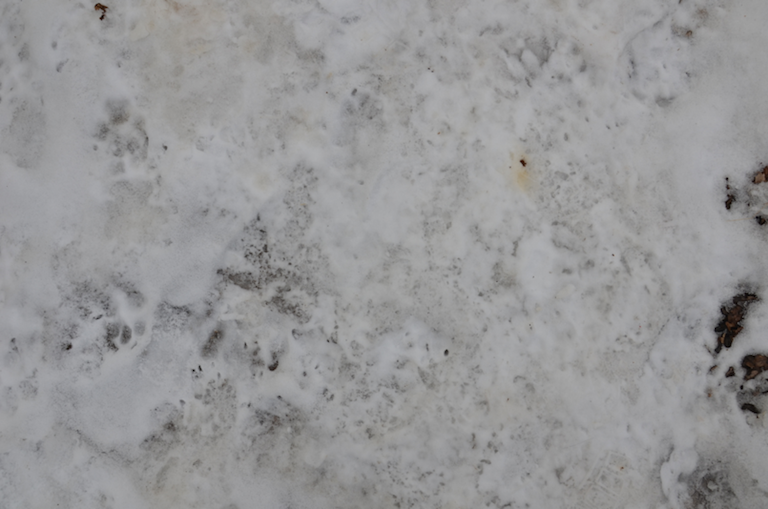
Tom
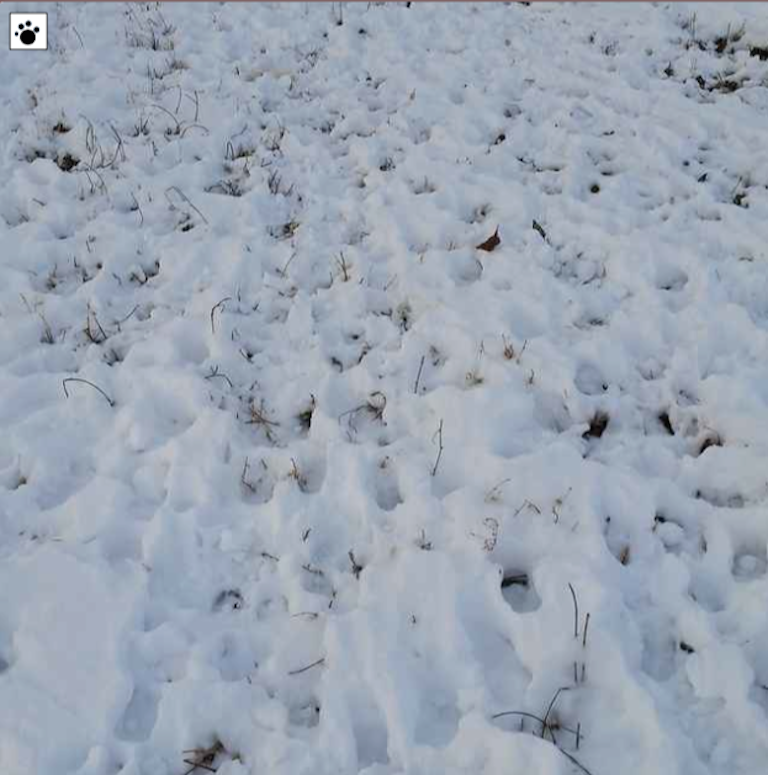
Image by Food Science Girl
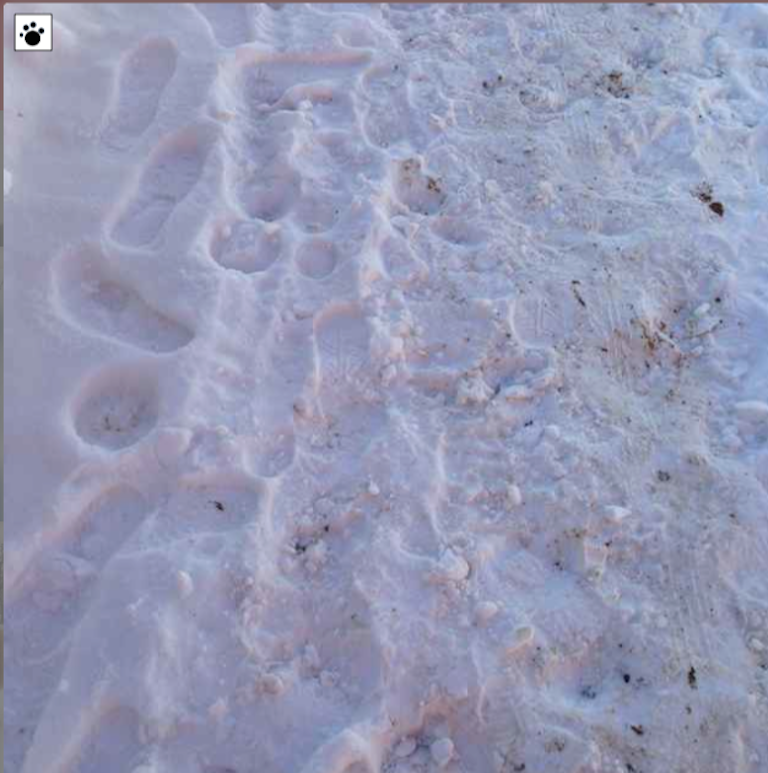
Image by Motel Nepal
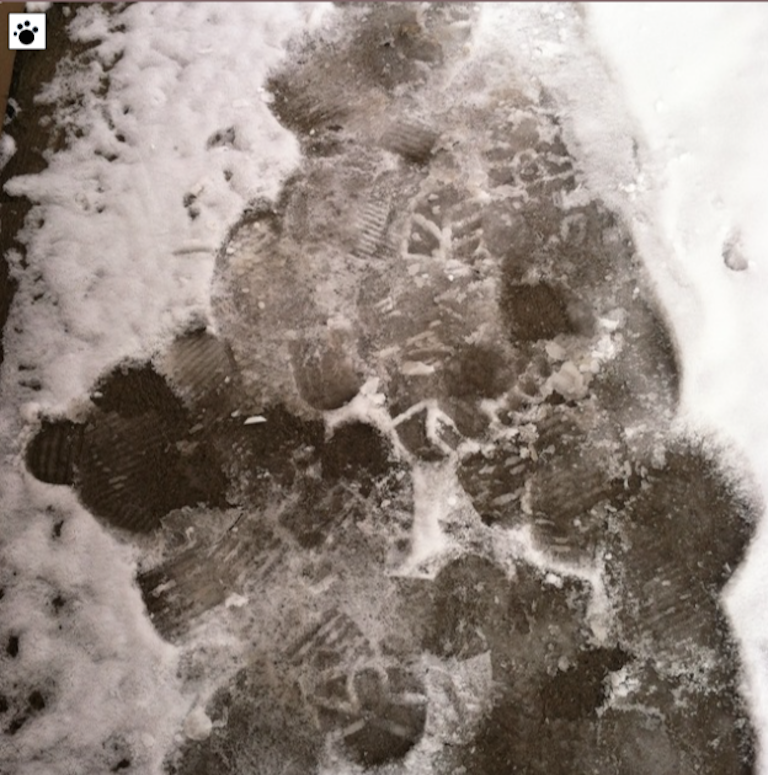
Image by Team Reindeer
sjádde (207) area so pawed up by reindeer that it is no longer suitable for reindeer grazing
tjårok (184) tracks raised above the surface of the snow. Formed when animals or skis press snow down more firmly than the surrounding powder; wind subsequently blows away the surrounding snow, leaving the prints as raised areas.
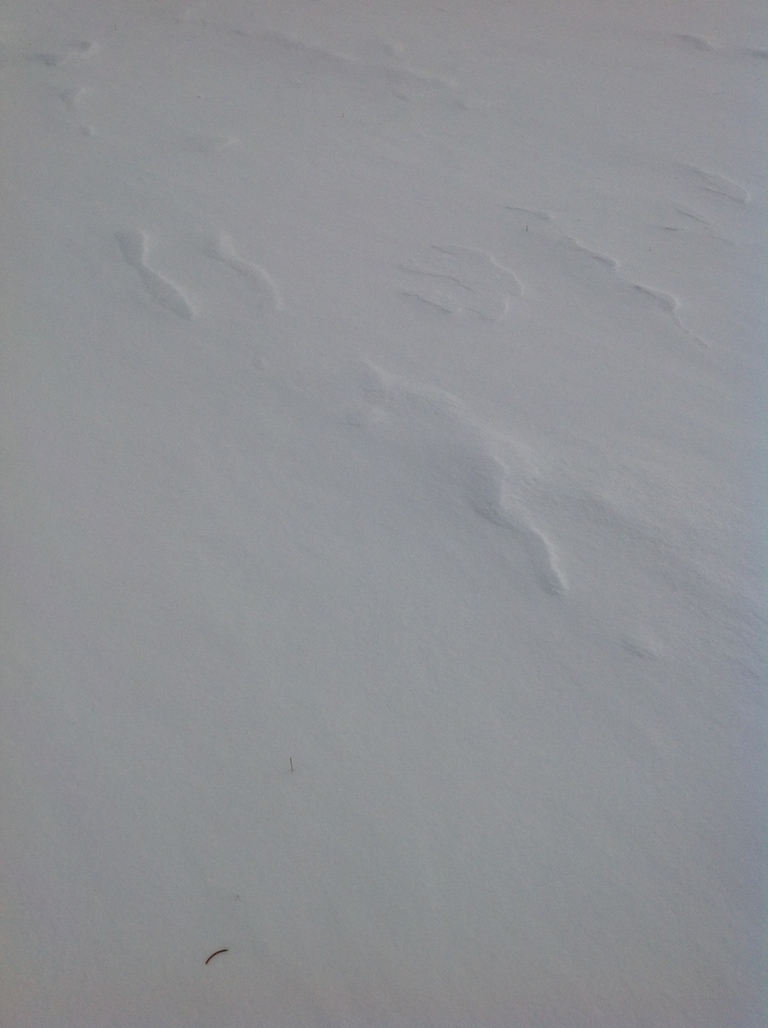
Tom
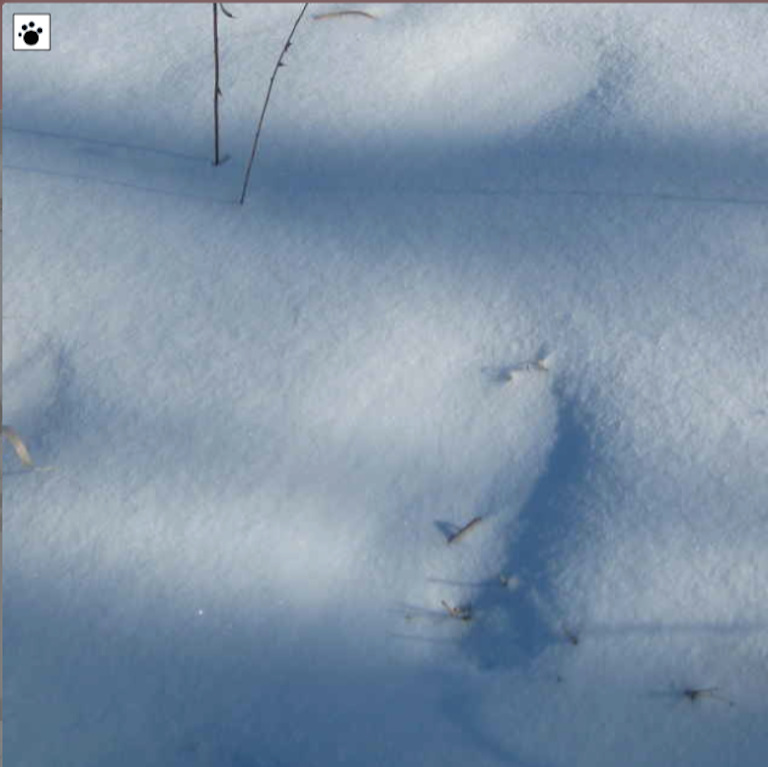
Image by Järven Naiset
doalle (154) hardened tracks or trail that has been coated in a fresh layer of snow but which still remain visible to the eye. Easier to walk or ski on doalle than on the surrounding snow
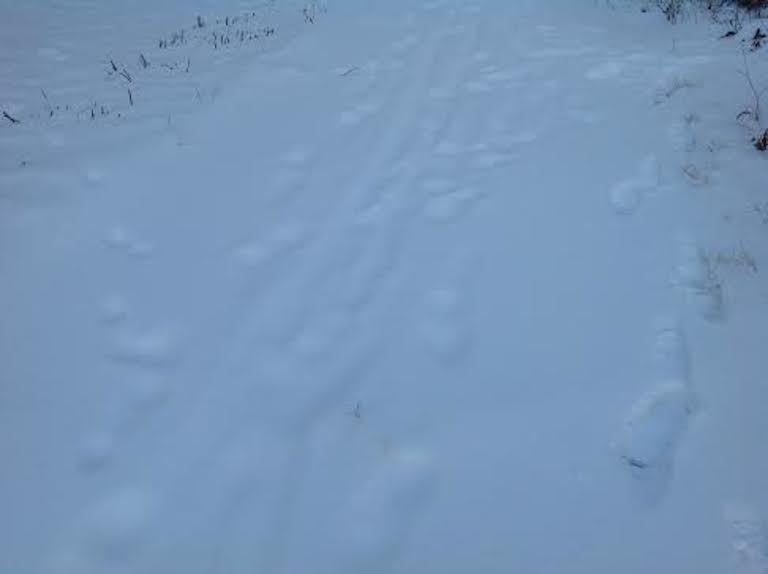
Tom
See also muohtarievta, in Distribution section